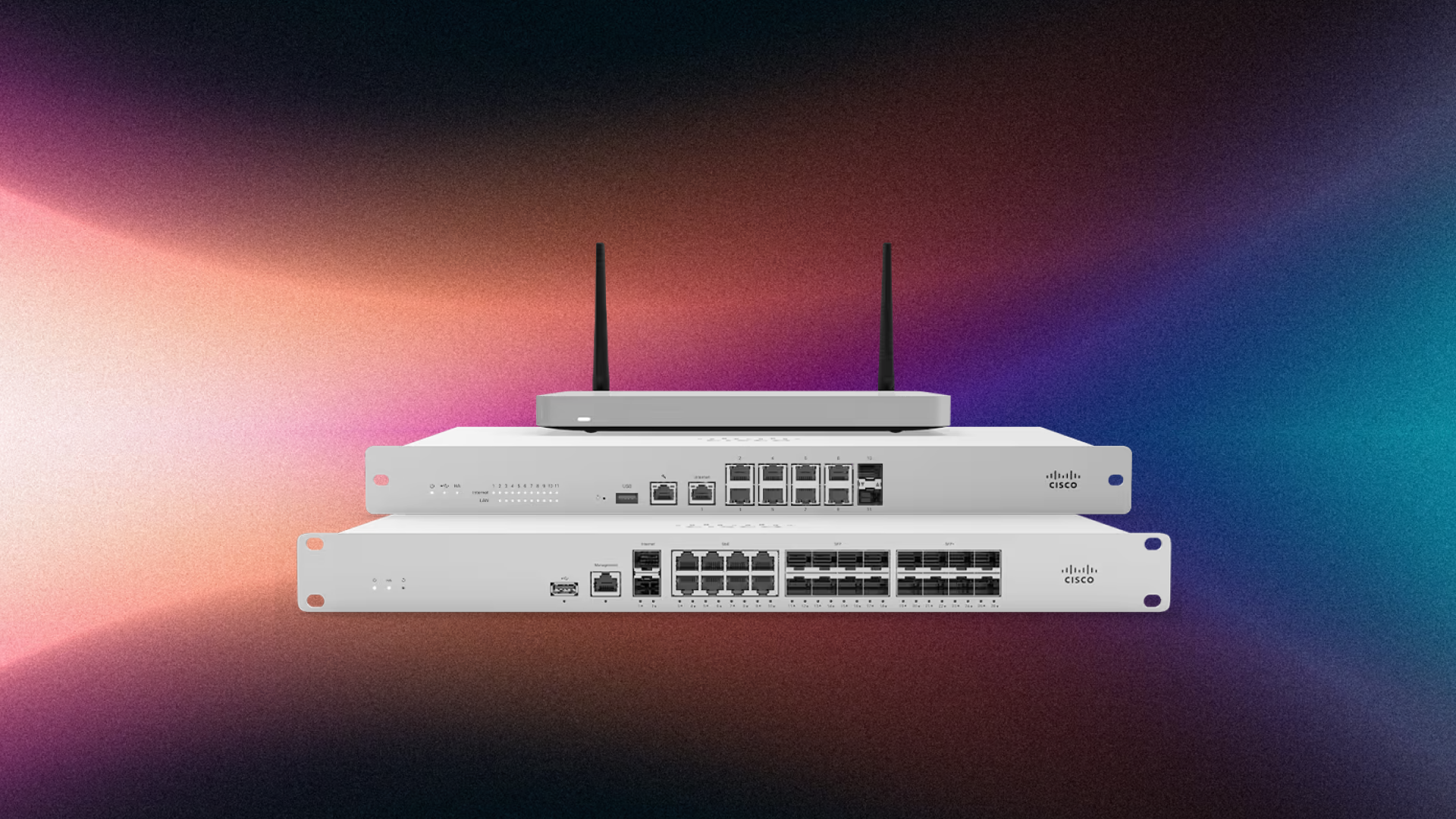

Why Network Security Is No Longer Optional for Enterprises?
Network security has evolved from being a technical safeguard to a core business requirement. In today’s enterprise environments—where operations depend on cloud platforms, remote users, and always-connected systems—network security directly impacts uptime, productivity, and business continuity.
For modern enterprises, a single security gap can cause operational disruption, financial loss, and reputational damage. This is why network security is no longer optional—it is fundamental to how enterprises operate, grow, and stay resilient.
How Network Security Directly Impacts Enterprise Uptime
Enterprise networks support mission-critical applications such as ERP systems, customer platforms, communication tools, and data services. When security weaknesses exist, they often lead to:
-
Network outages caused by malware or ransomware
-
System slowdowns due to malicious traffic
-
Forced shutdowns to contain breaches
-
Loss of access to critical applications
Unlike planned maintenance, security-driven downtime is unpredictable and costly. Enterprises with weak network security experience longer recovery times and higher operational risk.
The Expanding Enterprise Threat Landscape
Modern enterprises operate in highly distributed environments. Networks now extend across:
-
On-premise infrastructure
-
Cloud and hybrid environments
-
Remote and hybrid workforces
-
Branch offices and third-party integrations
This expanded attack surface increases exposure to threats such as ransomware, phishing, insider attacks, and advanced persistent threats. Traditional perimeter-only security models are no longer sufficient for this complexity.
Why Reactive Security Models Fail Enterprises
Many enterprises still rely on fragmented or reactive security approaches—deploying tools only after incidents occur. This leads to:
-
Limited visibility into network activity
-
Delayed threat detection
-
Inconsistent policy enforcement
-
Increased operational complexity
Reactive security models fail because they treat security as an add-on rather than an integral part of network architecture.
The Shift to Security-First Network Architecture
A security-first approach embeds protection directly into the network design. Instead of managing multiple disconnected tools, enterprises benefit from:
-
Integrated security controls across the network
-
Centralized visibility and policy management
-
Faster detection and response to threats
-
Improved performance stability
Security-first architecture ensures that protection scales alongside the enterprise rather than becoming a bottleneck.
Business Risks of Ignoring Network Security
When network security is treated as optional, enterprises face serious consequences:
-
Downtime that impacts revenue and customer trust
-
Compliance violations and audit failures
-
Data breaches leading to legal and financial exposure
-
Reduced confidence from partners and stakeholders
In competitive markets, these risks can significantly affect long-term business viability.
How Enterprises Should Approach Network Security Today
Enterprises should evaluate network security based on:
-
Network size and complexity
-
Application performance requirements
-
Regulatory and compliance needs
-
Scalability for future growth
Security decisions must align with overall IT strategy, not just immediate threats.
How OneIT.store Supports Enterprise Network Security
At OneIT.store, we help enterprises approach network security through a requirement-driven, consultative process. Rather than promoting one-size-fits-all solutions, we work with IT teams to understand infrastructure needs and guide them toward the right security architecture.
Our focus is on helping enterprises achieve:
-
Reliable uptime
-
Strong security posture
-
Scalable and future-ready infrastructure
Conclusion
Network security is no longer a choice—it is a business necessity for modern enterprises. As networks grow more complex and threats become more advanced, organizations must adopt a security-first mindset to protect uptime, operations, and long-term stability.
Enterprises that invest in proactive, well-designed network security are better positioned to operate confidently, scale efficiently, and withstand evolving cyber risks.
If your organization is evaluating or upgrading enterprise network security, OneIT.store can help you move forward with clarity and confidence.
Frequently Asked Questions (FAQs)
1. Why is network security critical for enterprises?
Because enterprise operations depend on always-available networks, and security gaps can directly cause downtime, data loss, and business disruption.
2. How does network security affect business continuity?
Strong network security prevents outages, cyber incidents, and unauthorized access that can interrupt daily operations.
3. Are traditional firewalls enough for enterprise networks?
No. Modern enterprises require integrated, scalable security solutions that provide visibility across cloud, users, and distributed networks.
4. What is a security-first network approach?
It is an approach where security is built into network design from the start rather than added later as separate tools.
5. How can enterprises improve their network security strategy?
By adopting integrated security architectures, improving visibility, and working with experienced B2B IT partners who understand enterprise environments.